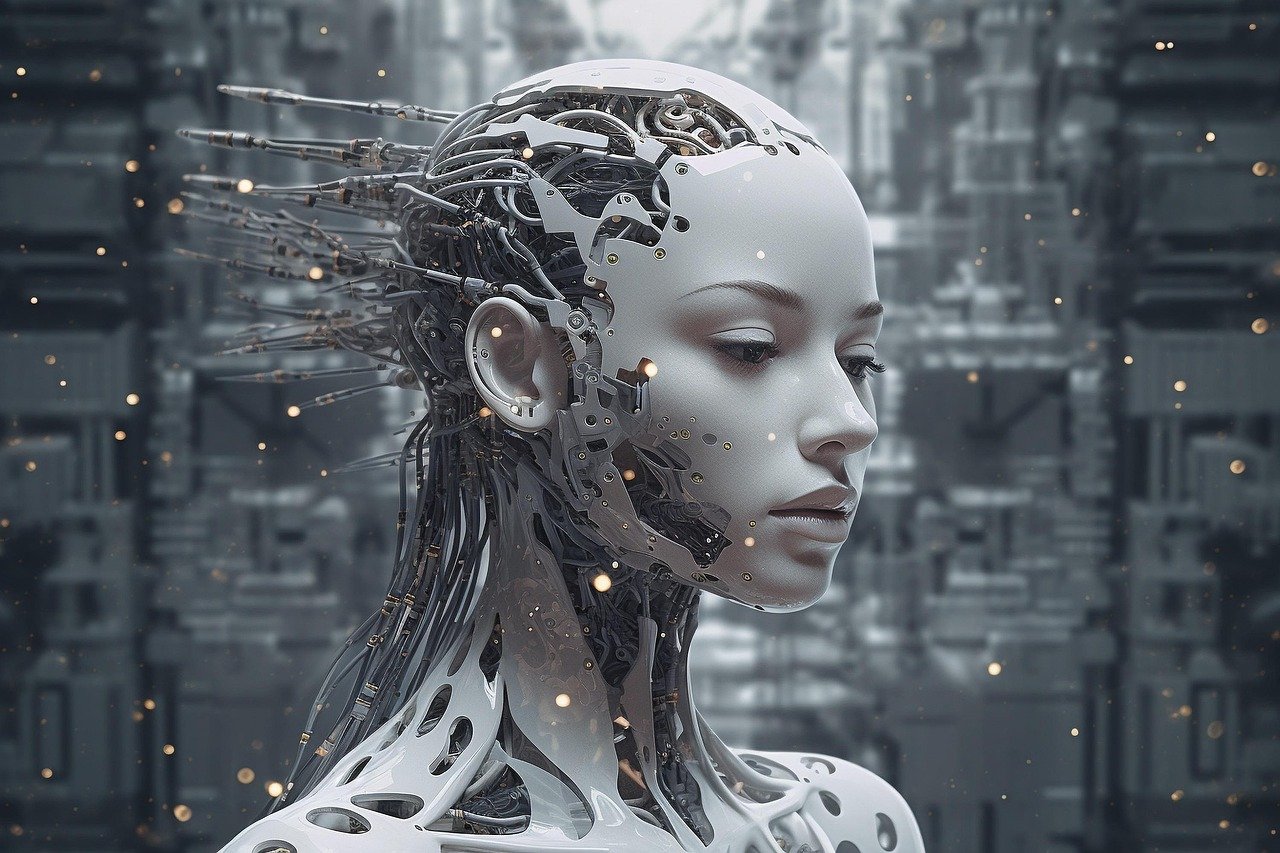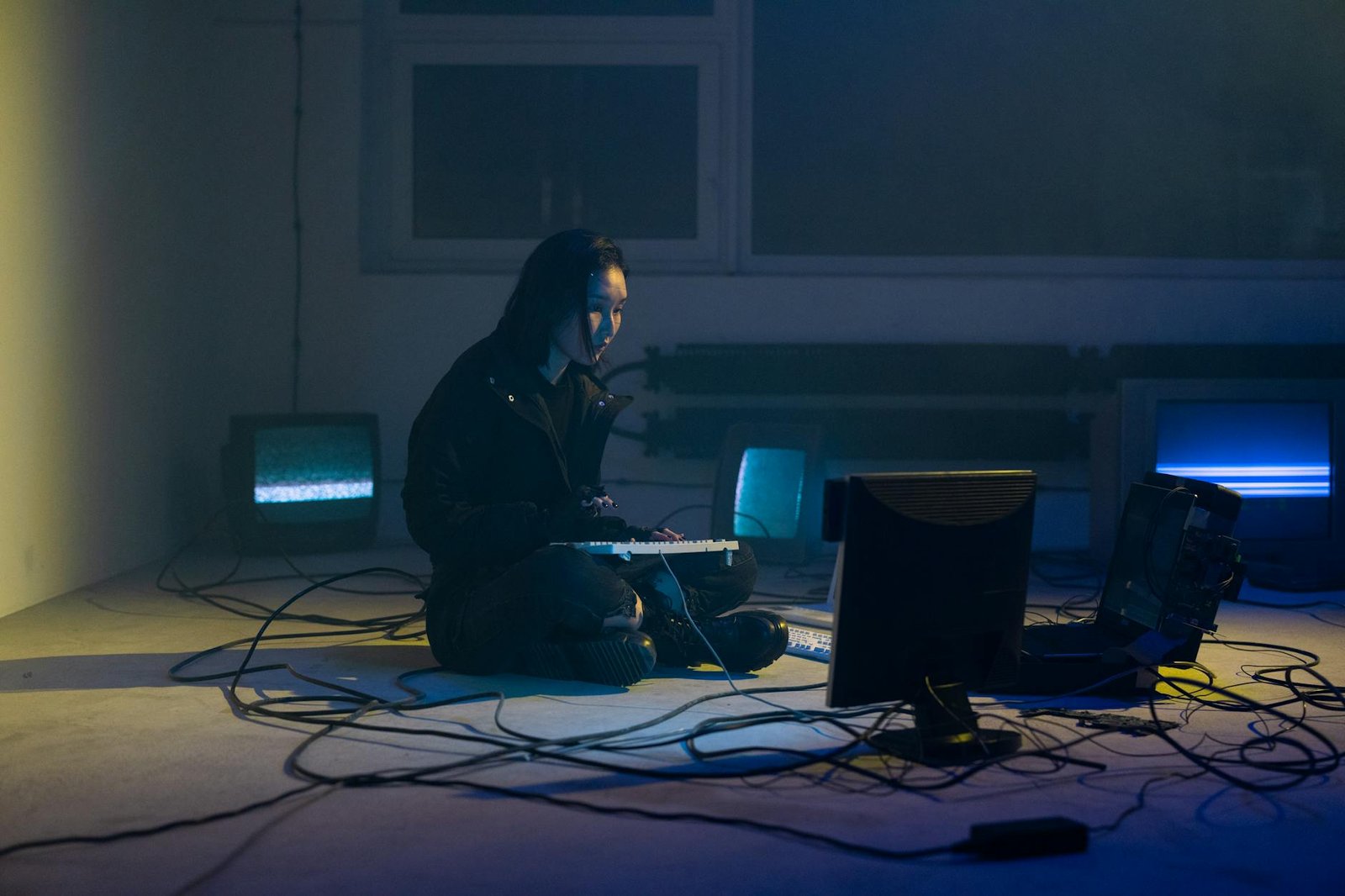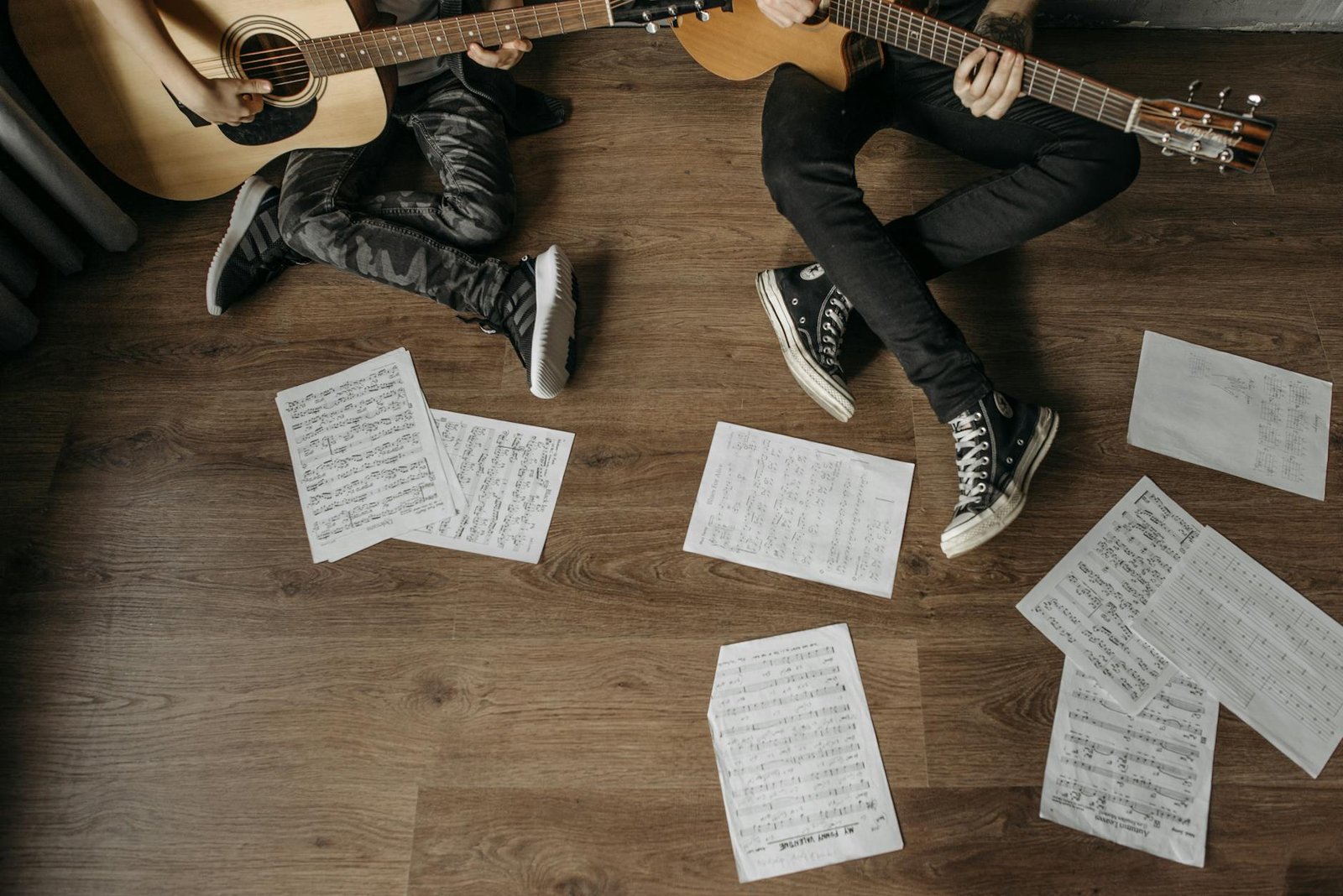
In the new AI era, the most radical thing a musician can do might be this: let Suno write the first version of the song, then walk into a studio, kill the click track, and rebuild the whole thing by hand, breath, sweat, bad takes and all. Somewhere between the prompt and the playback, between the server farm and the Neve console, the biggest question in modern music hangs in the air: when you re-record an AI-born track with live musicians, is it now human-made or does the ghost of the machine still own the room?
How a Song Starts in Suno
Suno’s appeal is seductively simple: type a short vibe “melancholy 90s alt-rock ballad about a city that doesn’t love you back, ” and in under a minute, you’ve got a fully formed track, vocals, instrumentation, arrangement, the whole illusion of a band that never existed. Under the hood, it’s a towering pattern machine, trained on vast amounts of audio to predict what a convincing song should sound like when you ask for, say, “shoegaze with female vocals and tape-warped drums.”
For a working artist, this isn’t just a toy; it’s a sketch engine. Suno’s “Custom” mode lets you write or paste your own lyrics, dial in genre, tempo, instrumentation, vocal style, and even upload snippets of your own audio as creative bait. Many producers now treat it like a hyper-charged demo tool: feed it a concept, let it spit back a structure verses, chorus, bridge, hook, then drag the resulting file into a DAW to autopsy what works.
The Studio Rebuild: From AI Demo to Live Take
The real magic and controversy starts once the Suno version is printed and the humans take over. In a typical 2026 hybrid workflow, the process looks something like this:
- Export the Suno track and stems (if available). The AI file becomes your reference demo, like a highly polished voice memo from a future that doesn’t need a band.
- Transcribe the musical DNA. Musicians sit down and chart the chords, melody, structure, and grooves by ear or with transcription tools, turning AI output into playable notation and parts for real instruments.
- Rewrite and adapt. Lyrics get punched up, melodies are tweaked to sit better in a singer’s range, sections are extended or broken apart — the AI’s neat, compressed logic gets stretched into something messier and more human.
- Re-record everything live. Vocals go through studio mics, guitars through amps, drums in a live room, synths played and reprogrammed; no AI audio remains, only its blueprint.
- Produce it like any other record. The engineer mixes, compresses, distorts, automates; the imperfections mic bleed, timing drift, and ad‑libbed harmonies become the new fingerprints of the song.
Producers on YouTube now casually demonstrate Suno-to-studio pipelines, dropping AI demos into Ableton or Logic, then showing how they replace each AI track with their own playing, their own sound design, their own session pros. In Nashville and LA, songwriters talk about Suno the way earlier generations talked about drum machines: first as a threat, then as a shortcut, and eventually as just another tool sitting next to the outboard gear.
The cultural echo is impossible to miss. The Beatles’ “Now and Then” normalized the idea that AI could isolate Lennon’s voice from a murky cassette so that humans could finish the track decades later. Today’s twist flips the script: instead of AI rescuing old human demos, humans are rescuing brand-new AI demos, dragging them out of the cloud and into a live room.
Is the Re-recorded Track “Human-Made” or Still AI?
Legally, the answer is more tangled than any guitar pedalboard on an indie tour. Suno’s updated rights language makes one thing clear: even when you’re granted commercial use rights, you’re “generally not considered the owner of the songs, since the output was generated by Suno.” You might get a license to monetize Suno’s tracks, but the platform still frames itself as ultimately responsible for the AI-generated output.
That’s the AI demo. The live re-recording is a different beast. Once a band replays the chords, rewrites pieces of the melody, changes lyrics, and performs everything in a studio without using the original AI audio, they’ve created a new sound recording through human performance and engineering. In most legal frameworks, that makes the master recording a human-made work, even if the composition was “inspired” by or modeled on an AI version.
The gray zone is authorship and originality. Because AI doesn’t enjoy copyright protection in many jurisdictions, there’s a strong argument that a human who meaningfully interprets, arranges, and re-performs AI-generated material can claim authorship over the new version. But Suno’s contract terms can still limit what you’re allowed to do with the underlying musical ideas it generated, especially if you created them on a free account, where tracks are locked to non-commercial use.
On the cultural side, the verdict is less about statutes and more about vibes. To some purists, a song that started life as a Suno prompt will always carry the stamp of the machine, no matter how many vintage compressors you run it through. To others, the act of re-recording, taking the time to rehearse parts, interpret the feel, and commit performances to tape, is precisely what makes it human. The AI is the sketch; the humanity is in the rewrite.
The Culture War Around “Hybrid” Songs
AI’s march into music has already been framed as either a creative revolution or a cultural crisis, depending on who’s holding the mic. Music industry panels are split between evangelists touting AI as the great democratizer and skeptics warning that algorithmic songs risk flooding the market with soulless audio wallpaper.
But in clubs, Discord servers, and late-night sessions, a third way is emerging. Young artists raised on playlists rather than record stores don’t see AI as sacrilege; they see it as a collaborator that just doesn’t get a writing credit. “Neo-posthuman” scenes are popping up from Brooklyn to Berlin, where the party flyer might read: “All songs began in AI, all sets performed live.” The thrill is in watching musicians wrestle something living out of something synthetic, watching a singer strain for a note an AI hit perfectly, and loving the crack in the voice more than the perfection.
Rolling Stone once chronicled the rise of bedroom producers who turned laptops into studios; now the bedroom producer has a new ghost in the machine. The same magazines and blogs that once defended Auto-Tune as an instrument are now asking if Suno is just the next logical extension of studio trickery, or a step too far. For every think piece warning that AI threatens the “authenticity and soul of music,” there’s another hailing it as a tool to smash writer’s block and fling open genre boundaries.
TikTok and Reels are the frontline of this culture war. Split-screen videos show a Suno-generated chorus on one side and a live band recreating it on the other, comment sections erupting with debates: “This is cheating,” vs. “This is just a new kind of cover song,” vs. “Who cares, it slaps.”
The New Definition of “Real”
What’s really on trial here isn’t just Suno, it’s our definition of what makes a song “real.” If authenticity used to mean a band sweating it out in a garage, then the arrival of drum machines, sampling, Auto-Tune, and DAWs should have killed that myth decades ago. Instead, each wave of tech rewrote the rules, and artists rewrote themselves along with it.
In that sense, the Suno-to-studio pipeline isn’t a glitch in music history; it’s the next chapter. The AI demo is the weird, uncanny first draft. The studio session is the testimony. When a human decides which chords to keep, which lines to toss, which mistakes to leave in, they’re not just polishing AI; they’re arguing with it, collaborating with it, and, ultimately, overruling it.
So, is the final, fully re-recorded song human-made? Culturally, most listeners will judge with their ears: if it moves them, if it feels lived-in and imperfect in the right ways, they’ll call it real. Legally and technically, it’s a hybrid child of code and flesh born in the cloud, raised in the studio.
In the end, we may look back at this era the way we remember the first electric guitars or drum machines: terrifying at first, then totally ordinary. Suno writes the ghost demo. The band walks into the live room and gives it a body. What matters now isn’t who wrote the first note; it’s who shows up, hits record, and is willing to stand behind the final song when the lights come up.
About The Author